1. Identify the substance
The team checks labels, safety data sheets and the history of the site. If the substance is unknown, crews treat it as hazardous until it is identified.
William Paterson University of New Jersey, NJ · Passaic County
When old paint, solvents or farm chemicals turn up in William Paterson University of New Jersey, NJ, the right move is a professional cleanup. Call (877) 812-4220 for sorting, packing, removal and surface decontamination.
If anyone is in danger, call 911 first. For a suicide crisis, call or text 988.
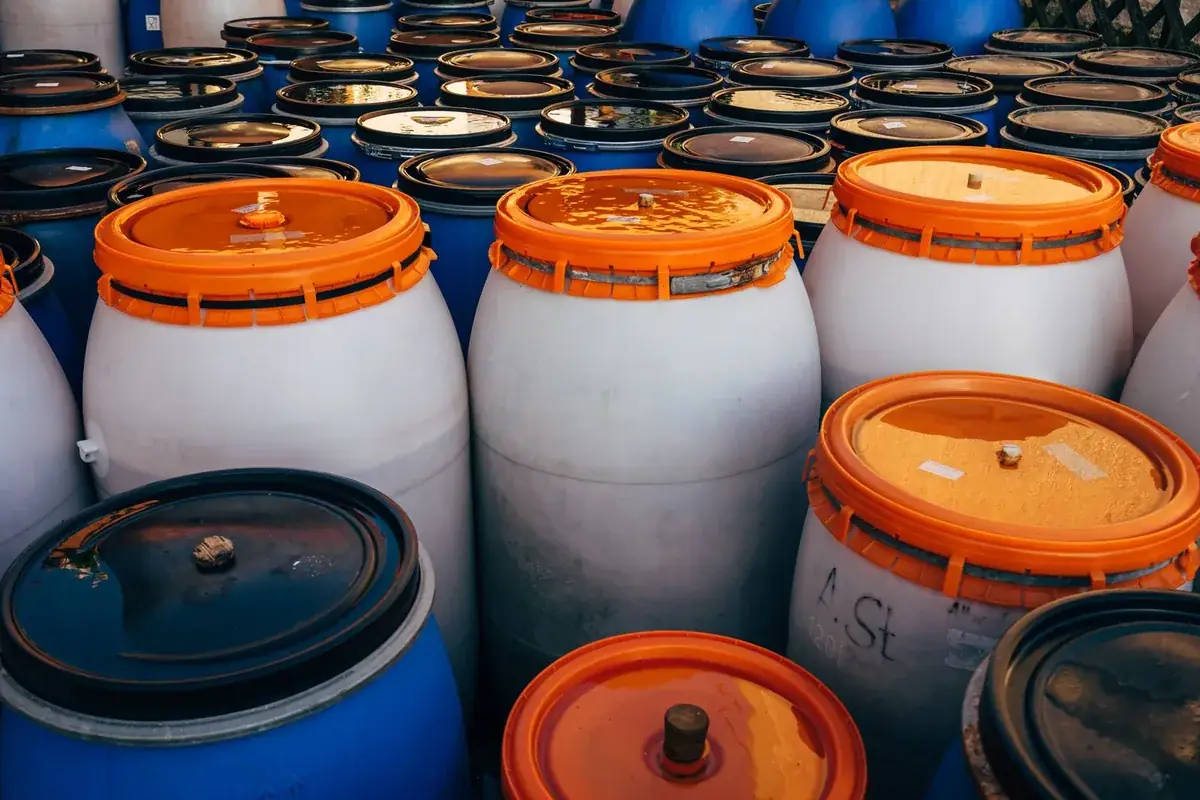
Chemical cleanup is the use of protective gear, absorbent materials and suitable products to remove a harmful substance from a floor, a surface or the ground. The method depends on what the substance is.
Throughout William Paterson University of New Jersey and Passaic County, you can get a crew to identify the substance, contain the spread, remove contaminated materials and set up hauling for the waste. Call William Paterson University of New Jersey Biohazard Cleanup Help to get started.
About 77% of homes in Passaic County were built before 1980, and older garages and sheds often hold decades of paint, solvents and pesticides. With a Relatively High river flood risk rating from FEMA, Passaic County can see stored chemicals shift or leak after high water.
The work often covers:
The team checks labels, safety data sheets and the history of the site. If the substance is unknown, crews treat it as hazardous until it is identified.
Drains are covered where needed, and absorbent socks and barriers surround the spill. The team works from clean areas toward the source.
The spill is absorbed, contaminated items are removed and surfaces are cleaned. Odors and residue are treated according to the substance.
The team packs the waste and takes it away. A final check of the area ends with a plain summary for the owner.
The cost of chemical & toxic waste cleanup in William Paterson University of New Jersey, NJ depends on the amount of material, how it is packed and how it is hauled.
Protective gear is part of the total. Higher-hazard substances call for more serious equipment, and disposable suits, respirators and tools are used up during the job.
| Type of job | Typical range |
|---|---|
| Hazardous chemicals | $30 - $50 per barrel |
These ranges come from published cost guides (Fixr) and are not a quote for William Paterson University of New Jersey. Price drivers include type of chemical, amount, packaging and transport, disposal fees. For a real number, call (877) 812-4220.
Try the William Paterson University of New Jersey Biohazard Cleanup Cost Calculator →
Old or leaking products are a risk. Heat, humidity and age can damage containers, and fumes can build up. If containers are leaking, damaged or unlabeled, have a cleanup team remove them.
Do not open, move or smell them. Keep people and pets away and take photos from a safe distance. A cleanup team can identify the contents, sort them by hazard and set up lawful disposal.
It is the safe containment, removal and disposal of spilled, leaking or abandoned chemicals. Crews identify the substance and wear suitable protective gear. They contain the spill, clean the area and send waste to a facility that can accept it.
Chemicals can irritate or burn skin and eyes, harm the lungs and poison people who swallow them. Some give off fumes or catch fire. Call 911 in an emergency and Poison Control for exposure questions, and tell them the product name if known.
Get everyone away from the area, including pets. Call 911 if anyone is in danger, or Poison Control with exposure questions. Do not touch unknown containers or try to wash a spill away. Then call a cleanup team for next steps.
Reporting rules depend on the substance, the amount and where it spilled. The local fire department, the health department or an attorney can say what applies. A cleanup team can explain the work and the records it can provide.
See all biohazard cleanup services in William Paterson University of New Jersey, NJ →
Day or night, the call starts with safety.
Call (877) 812-4220